Most national brands treat the store brand next to them as the enemy. Some of the smartest ones in the aisle treat it as a second customer.
The numbers make the case. According to PLMA, citing Circana Unify+ data, U.S. store brand sales rose by just over $9 billion in 2025 to a record $282.8 billion across all outlets. Store brand dollar sales grew 3.3%, nearly three times the 1.2% gain for national brands. Over the five years from 2021 to 2025, store brand dollar sales climbed $64.8 billion, about 30%, and dollar share moved from 19.1% to 21.3%. Unit share reached a record 23.5%.
That growth is going to someone's company. The question for a growth leader is whether any of it should go to yours.
Key Takeaways
- •Private label is a growth market, not just a threat. Store brands are taking share faster than national brands across U.S. retail.
- •Many brands already sell both. It's common for the same manufacturer to make the national brand and the store brand next to it.
- •Private label pays off on its own terms. It adds volume and can earn the national brand more distribution, but it doesn't replace shopper demand for the brand.
- •Winning it takes a different playbook. Cost-plus pricing, retailer-owned specs, and strict quality and supply standards are part of the deal.
- •Running both requires guardrails. Clear governance keeps the private label business from eroding the brand that built it.
Quick Links
- The Brand Next to the Store Brand May Be Making It
- What Supplying Private Label Does, and Doesn't, Do for the National Brand
- What It Takes to Win Private Label Business
- Guardrails for Running Both
- A Readiness Check Before Competing for Private Label
- Where PLMA Fits
- What Private Label Services Should Help You Do
- People Also Ask
- Frequently Asked Questions
- The Bottom Line
The Brand Next to the Store Brand May Be Making It
Who makes the store brand is one of retail's best-kept secrets. National brands don't want their name tied to a cheaper version of their own product, and retailers don't want to expose the national brand suppliers behind their store brands.
Research from Dartmouth's Tuck School of Business offers a rare look behind that curtain. Professor Kusum Ailawadi and her coauthors identified the private label suppliers for six of Spain's largest grocery retailers across more than 270 categories, then matched them with nearly a decade of household purchase data.
More than 70% of those private label suppliers turned out to be national brand manufacturers. About 30% of their private label arrangements were in categories related to their own brand rather than the same category.
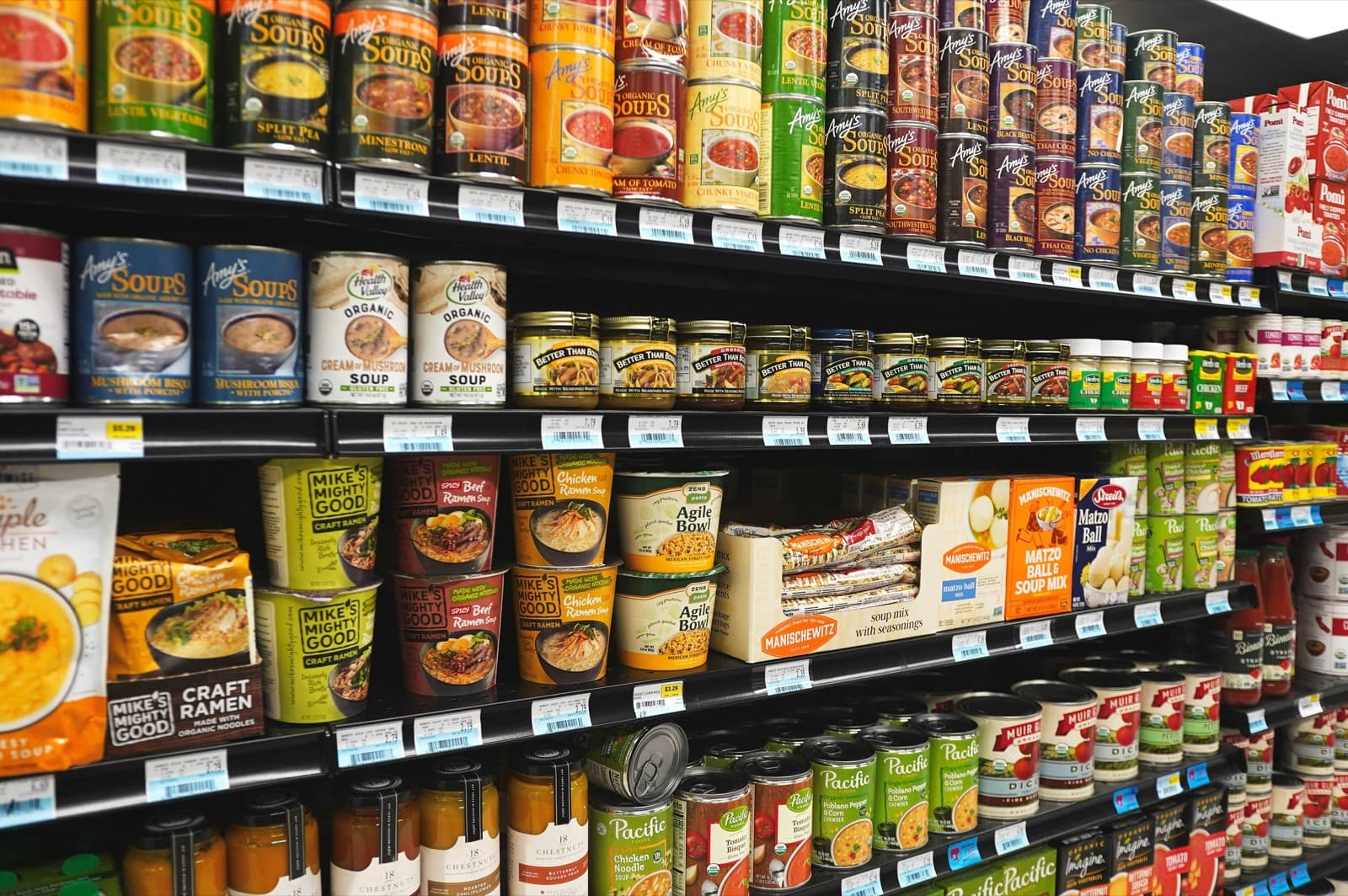
While private label relationships are often kept private here in the US (no pun intended), the logic applies anywhere retailers are growing their own brands. One manufacturer can be in the same aisle at two price points: once under its own name and once under the retailer's. The national brand competes on its own story with shoppers who want it, and the private label line competes for shoppers who are going to buy the store brand anyway.
What Supplying Private Label Does, and Doesn't, Do for the National Brand
The case for supplying private label is strong, but it helps to be precise about where the payoff comes from.
- It rewards scale. Private label margins are thin, so manufacturers with economies of scale have an advantage, and extra volume helps absorb fixed plant costs.
- It can earn more distribution. In the Tuck research, retailers carried more of a manufacturer's national brand items in at least some stores after that manufacturer began supplying their private label. When the supply ended, that distribution went back down.
- It doesn't create demand. The same research found no increase in the national brand's share of category sales. More items in more stores don't help if shoppers aren't choosing the brand, and retailers won't keep items that don't earn their space.
- It covers both price tiers. Shoppers who trade down to the store brand stay inside your production instead of going to a competitor's.
- It brings category insight. Supplying the retailer's brand shows you how the retailer thinks about price tiers, specifications, and growth in your category.
The researchers also found that manufacturers who rely heavily on a single retailer are more likely to supply its private label, partly to build goodwill. That's a valid reason, but it isn't a strategy on its own. The brands that get the most from private label treat it as a growth business with its own economics, not as a fix for a national brand that's losing momentum.
What It Takes to Win Private Label Business
Supplying private label is a different business from building a brand, and the brands that win it treat it that way from the first conversation.
- The retailer owns the brand. Specifications, packaging, and the shopper relationship belong to the retailer.
- Pricing is cost-plus. Expect cost transparency, competitive bidding, and steady margin pressure.
- Quality and compliance standards are strict. Expect spec adherence, audits, and documentation built for the retailer's brand standards.
- Supply has to be reliable at volume. Private label programs reward suppliers with predictable replenishment and punish missed deliveries. See Beyond OTIF Compliance for what that operational discipline looks like.
- Contracts follow bid cycles. Volume won in one cycle has to be defended in the next.
Brands that come to a retailer with a clear cost position, documented quality systems, proven supply performance, and a specific category proposal stand out quickly. Brands that come with general interest and samples rarely get far.
Guardrails for Running Both
Selling the national brand and the store brand in the same aisle works when the boundaries are set before the first purchase order.
That means deciding which items and formulations are available for private label and which stay exclusive to the national brand. It means keeping the teams and information on each side clearly separated. It also means a plan for negotiating with a merchant who is your customer on one line and responsible for your competitor on the next. Brands that settle these questions up front gain leverage with the retailer. Brands that improvise or don't align with a partner with expertise in private label tend to lose it.
A Readiness Check Before Competing for Private Label
Before pursuing a private label program, a growth leader should be able to answer these questions for each priority category:
| Question | Why it matters |
|---|---|
| How fast is private label share growing in this category at this retailer? | It shows how much the retailer is investing in its own brand and how much volume is in play |
| Do you have capacity that private label volume could fill profitably? | Spare or expandable capacity is the starting point for a credible bid |
| Can your cost structure win a cost-plus bid and still make money? | Supplying on unsustainable margins trades one problem for another |
| Which of your formulations or items should stay exclusive to the national brand? | This protects the differentiation your brand depends on |
| Is your supply performance strong enough for a retailer's private label program? | Retailers favor suppliers who already deliver reliably |
| How will you govern the relationship when you're on both sides of the category? | Clear governance protects your leverage with the merchant |
The answers will vary by category, and that's expected. Private label strategy is set category by category, not once for the whole company. For the forces behind that growth, see the four trends driving private label.
Where PLMA Fits
PLMA's annual Private Label Trade Show in Chicago is where much of the retailer private label conversation starts, between retailers looking for suppliers and manufacturers looking for programs. Brands that arrive with a category-specific proposal, a clear cost and capacity position, and defined rules for running both businesses have far more productive meetings than brands that show up hoping to learn what's possible.
What Private Label Services Should Help You Do
Retailer-focused private label services should help an established CPG brand find the right private label opportunities, judge whether its capacity and cost structure can win them, prepare the proposal and quality documentation a retailer expects, and set up the guardrails for selling both the national brand and the store brand.
That is a different scope from contract manufacturing or white-label sourcing, which serve sellers trying to create a product rather than established brands looking for a second growth engine.
Sources
- PLMA, U.S. Private Label Industry Reached $282.8 Billion in Sales in 2025
- Tuck School of Business, National Brands Hate Private Labels, But Make Them Anyway
People Also Ask
How fast is private label growing compared with national brands?
According to PLMA, citing Circana Unify+ data, U.S. store brand dollar sales grew 3.3% in 2025, nearly three times the 1.2% gain for national brands. Dollar share moved from 19.1% in 2021 to 21.3% in 2025, and unit share reached a record 23.5%.
Do national brand manufacturers make store brands?
Often, yes. Tuck School of Business research on six of Spain's largest grocery retailers found that more than 70% of private label suppliers were national brand manufacturers.
Does supplying private label help a national brand's distribution?
In the Tuck research, retailers carried more of a manufacturer's national brand items in at least some stores after that manufacturer began supplying their private label, and that distribution went back down when the supply ended. The same research found no increase in the national brand's share of category sales.
How is private label pricing structured?
Private label pricing is typically cost-plus. Suppliers should expect cost transparency, competitive bidding, and steady margin pressure, with contracts that follow bid cycles.
Frequently Asked Questions
Can a brand sell its national brand and a private label version at the same retailer?
Yes, and it's common. In Tuck School of Business research on six major Spanish grocery retailers, more than 70% of private label suppliers were national brand manufacturers. The key is governance: deciding what stays exclusive to the national brand and keeping the two businesses clearly separated.
What do private label services include for established CPG brands?
For brands selling into retailers like Walmart and Sam's Club, private label services typically cover opportunity assessment, cost and capacity evaluation, proposal and bid preparation, quality and compliance readiness, and strategy for managing the retailer relationship across both businesses.
How do manufacturers win retailer private label business?
By showing a competitive cost position, documented quality systems, reliable supply performance, and a specific proposal for the retailer's category. Trade shows like PLMA's are a common starting point, but a strong proposal matters more than the venue.
How big is the U.S. private label market?
According to PLMA and Circana, U.S. store brand sales reached a record $282.8 billion in 2025, with a 21.3% share of dollar sales.
The Bottom Line
New Nexus Group is a Bentonville-based retail commerce partner whose team includes former Walmart and Sam's Club buyers. Its Private Label practice helps CPG brands evaluate and pursue private label opportunities at Walmart and Sam's Club, from readiness and proposal preparation to managing the relationship when a brand supplies both its own label and the retailer's.
Schedule a conversation with our private label team to explore whether a retailer's private label belongs in your growth plan.